

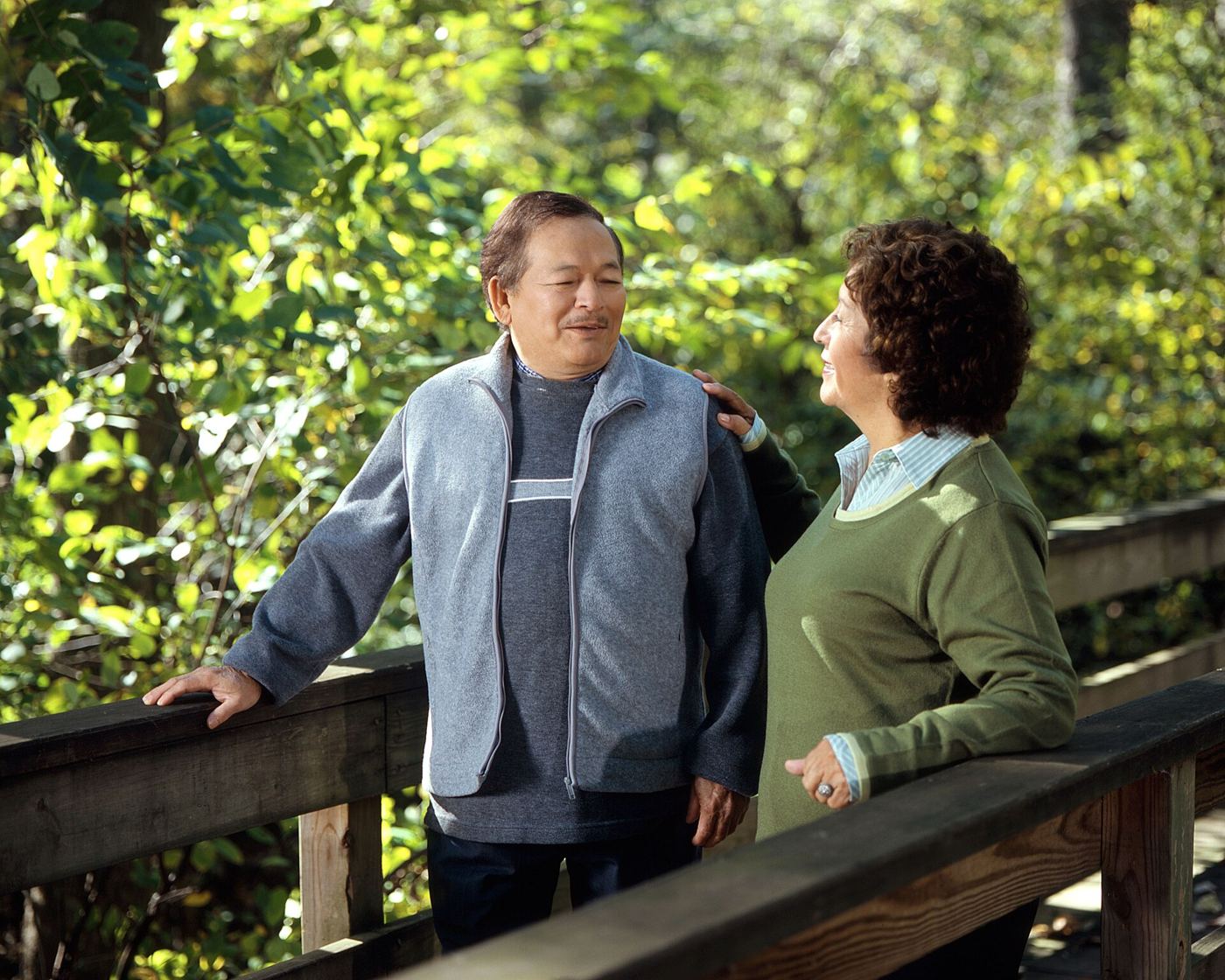
A short walk after eating is gaining attention as a simple way to soften the rise in blood sugar that follows a meal, and the evidence behind it is growing. When food is digested, glucose enters the blood and usually peaks within an hour or two, and gentle movement helps muscles take up that glucose without needing as much insulin. In a trial of 41 adults with type 2 diabetes, walking for ten minutes after each main meal lowered the after-meal glucose rise by about 12 percent compared with a single thirty-minute walk at another time of day, with a larger effect after dinner. Reviews of several trials have found the same pattern, and the American Diabetes Association advises breaking up long periods of sitting, even if it does not prescribe a walk after every meal. Researchers also note that the benefit is largest after the biggest meal of the day, which for many people is dinner, when activity levels are otherwise at their lowest.
What the Evidence Shows
The habit is easy to adopt because it requires no equipment and only a few minutes. Starting within about half an hour of finishing a meal and walking at a comfortable pace for ten to fifteen minutes is enough for most people, and even a shorter stroll helps. It works best as part of a wider routine of regular activity, balanced meals and, where needed, prescribed medicine, rather than as a replacement for treatment. People who take insulin or medicines that can cause low blood sugar should speak to their clinician before changing their routine, since activity affects glucose levels. For many others, a post-meal walk is a practical, low-cost habit that turns a normal part of the day into a small but real step for metabolic health. The advice is particularly relevant in winter, when shorter days and cold weather can make people less active and more likely to sit for long stretches after eating. Reporting and analysis from sources such as World Health Organization track the same developments, and specialists following post-meal walking say the direction is now consistent across independent lines of evidence.
The Wider Context
The wider context is a health system trying to move from treating illness late to preventing it early, against budgets that reward the opposite. Evidence around post-meal walking is being weighed by guideline committees that ask two questions in order: does it work, and can ordinary services actually deliver it at scale. Many good ideas pass the first test and stall on the second.
What Happens Next
What happens next for post-meal walking depends on the slow machinery of guidelines, funding and training catching up with the evidence. Patients asking about it today should expect honest answers that include uncertainty, and clinicians say a service that explains what is not yet known earns more trust than one that oversells. The research pipeline, at least, is moving in the right direction. You can follow related developments in our coverage of health.
There is a practical lesson in all of this for readers deciding what to do today. Start with the verified facts, be wary of anyone promising certainty, and prefer reversible steps while the evidence is still developing. Circumstances differ by country, income and personal situation, so general guidance should always be weighed against your own context before you act on it in any significant or lasting way.
