

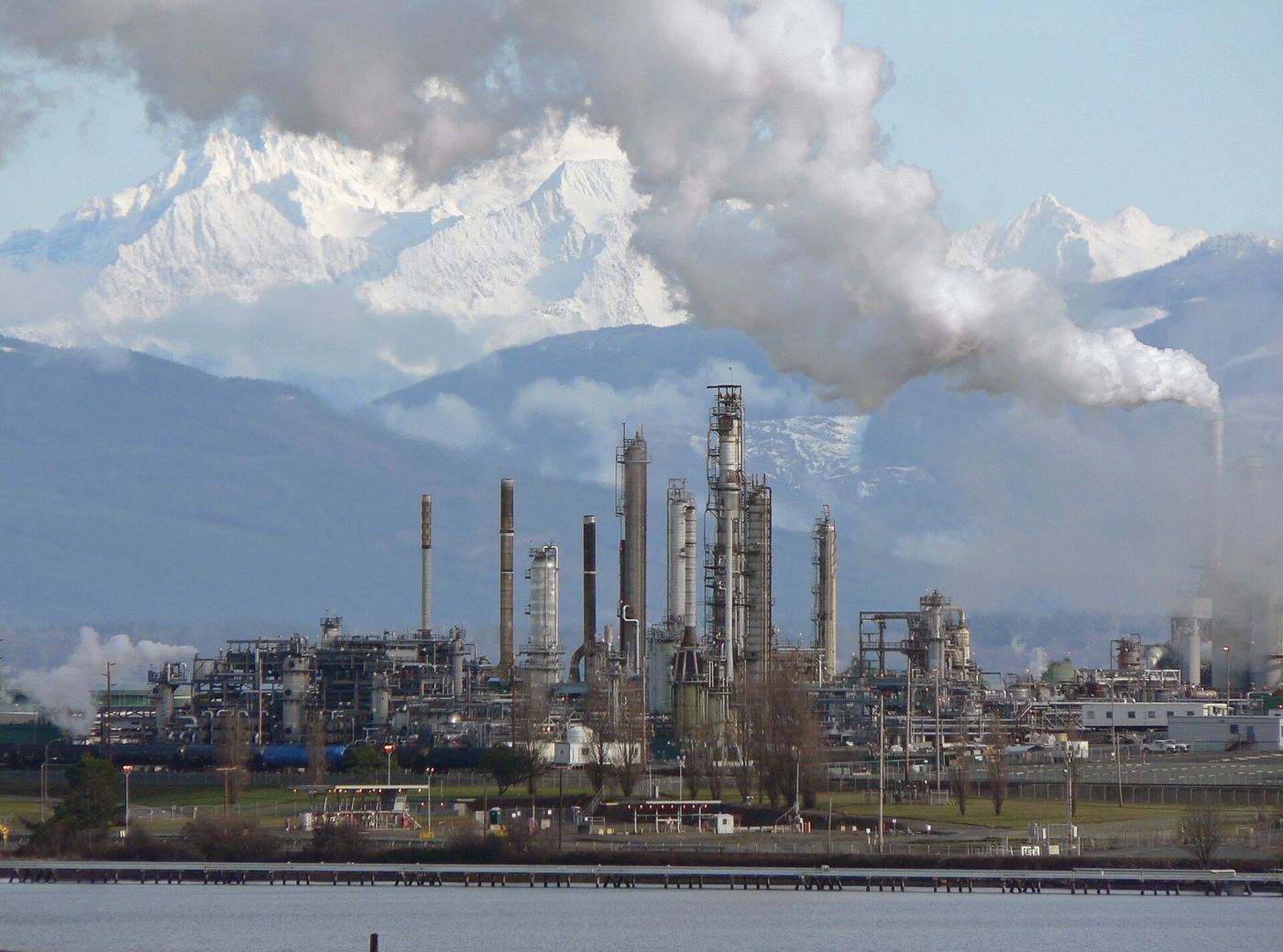
Brent crude oil held near $96 a barrel this week, after rising 3.53 percent to $95.84, as the Middle East energy shock continued to unsettle markets. The conflict in the region has lifted headline inflation to 3.7 percent in the United States, 4.0 percent in the euro area and 3.5 percent in the United Kingdom, forcing central banks to raise rates even as growth slows. Brent had settled at $113.43 on October 30 before falling sharply, but prices remain far above the levels seen earlier in the year. For consumers, the cost shows up at the petrol pump and in heating bills. Petrol prices in several countries have already risen, and airlines have warned that higher fuel costs will push up ticket prices in the coming months.
What the Evidence Shows
The energy shock is proving unstable, with Brent falling about 13 percent in the week to November 6 before recovering, and analysts are split on where prices go next. Core inflation, which strips out energy and food, remains around 2.5 percent in the major economies, suggesting the underlying price pressure is more contained than the headline figures imply. Even so, central banks are treating the shock seriously, with eight of the nine major central banks covered in recent analysis having raised rates at least once in 2026. Until the conflict eases, oil prices are likely to stay volatile and inflation forecasts uncertain. OPEC producers have so far held output steady, and traders are watching their next meeting for any sign of a change in supply policy. Reporting and analysis from sources such as Financial Times track the same developments, and specialists following Brent oil holding near $96 a barrel say the direction is now consistent across independent lines of evidence.
The Wider Context
The wider context is a financial system repricing risk after a long era of cheap money. Decisions shaped by Brent oil holding near $96 a barrel are being made under closer supervisory attention, with stress tests and disclosure rules that assume conditions can worsen quickly. Institutions that planned for the benign case are adjusting in public, which is uncomfortable and healthy in equal measure.
What Happens Next
What happens next with Brent oil holding near $96 a barrel will be visible first in the data that professionals watch weekly: flows, spreads and the terms on new deals. Participants who spoke for this article expect a period of adjustment rather than drama, with the biggest effects landing on those who assumed the old conditions were permanent. Planning, as ever, is the cheapest hedge. You can follow related developments in our coverage of finance.
None of this will be settled by a single announcement, study or product launch. The pattern to watch is accumulation: independent confirmations, honest reporting of failures and steady improvement in the underlying numbers. Readers who follow those signals, rather than the loudest claim of the week, will understand this subject better than most of the commentary surrounding it suggests is possible.
