

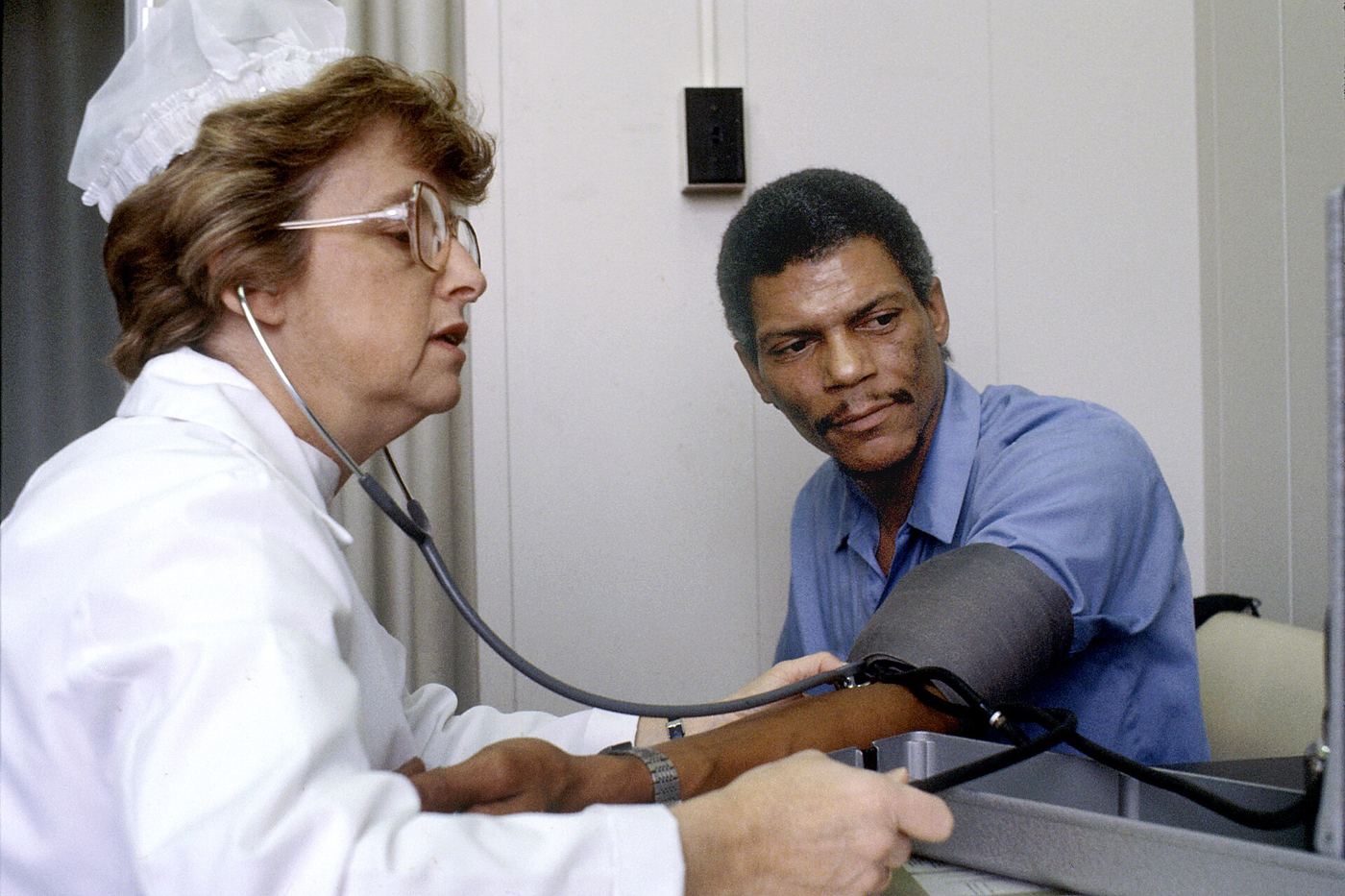
Nurses are encouraging more adults to keep a simple home blood pressure diary between clinic visits, giving a fuller picture than a single reading taken in a surgery. Blood pressure naturally varies through the day and can rise in medical settings, a response often called the white coat effect. A week of calm readings at home, taken at similar times with a validated monitor, helps clinicians see the usual pattern and make better decisions about treatment. Nurses stress that technique matters: sitting quietly first, supporting the arm at heart level and using the correct cuff size all make the numbers more trustworthy and comparable over time. Nurses also show patients how to find their pulse while the cuff inflates, explain what the two numbers in each reading mean, and discuss which results should prompt a call to the clinic. It is a small habit with a surprisingly wide range of benefits.
What the Evidence Shows
Patients are usually asked to take two readings a minute or so apart, morning and evening, and to write down both rather than selecting the lower one. Bringing the diary, and the monitor itself, to appointments lets staff check the device and discuss the pattern together. A diary can also show how changes such as walking more, cutting salt or taking medicines consistently are affecting readings over weeks. Anyone who records a very high reading, or feels unwell, should seek advice promptly rather than waiting for a routine review. Used well, home monitoring turns patients into active partners in managing a condition that often has no symptoms. For many people the diary quickly becomes reassuring, replacing guesswork about their health with clear evidence they can see improving, and making conversations at review appointments far more focused and productive. That partnership tends to produce steadier readings and better long-term control. Reporting and analysis from sources such as World Health Organization track the same developments, and specialists following home blood pressure diaries say the direction is now consistent across independent lines of evidence.
The Wider Context
The wider context is a health system trying to move from treating illness late to preventing it early, against budgets that reward the opposite. Evidence around home blood pressure diaries is being weighed by guideline committees that ask two questions in order: does it work, and can ordinary services actually deliver it at scale. Many good ideas pass the first test and stall on the second.
What Happens Next
What happens next for home blood pressure diaries depends on the slow machinery of guidelines, funding and training catching up with the evidence. Patients asking about it today should expect honest answers that include uncertainty, and clinicians say a service that explains what is not yet known earns more trust than one that oversells. The research pipeline, at least, is moving in the right direction. You can follow related developments in our coverage of health.
There is a practical lesson in all of this for readers deciding what to do today. Start with the verified facts, be wary of anyone promising certainty, and prefer reversible steps while the evidence is still developing. Circumstances differ by country, income and personal situation, so general guidance should always be weighed against your own context before you act on it in any significant or lasting way.
