

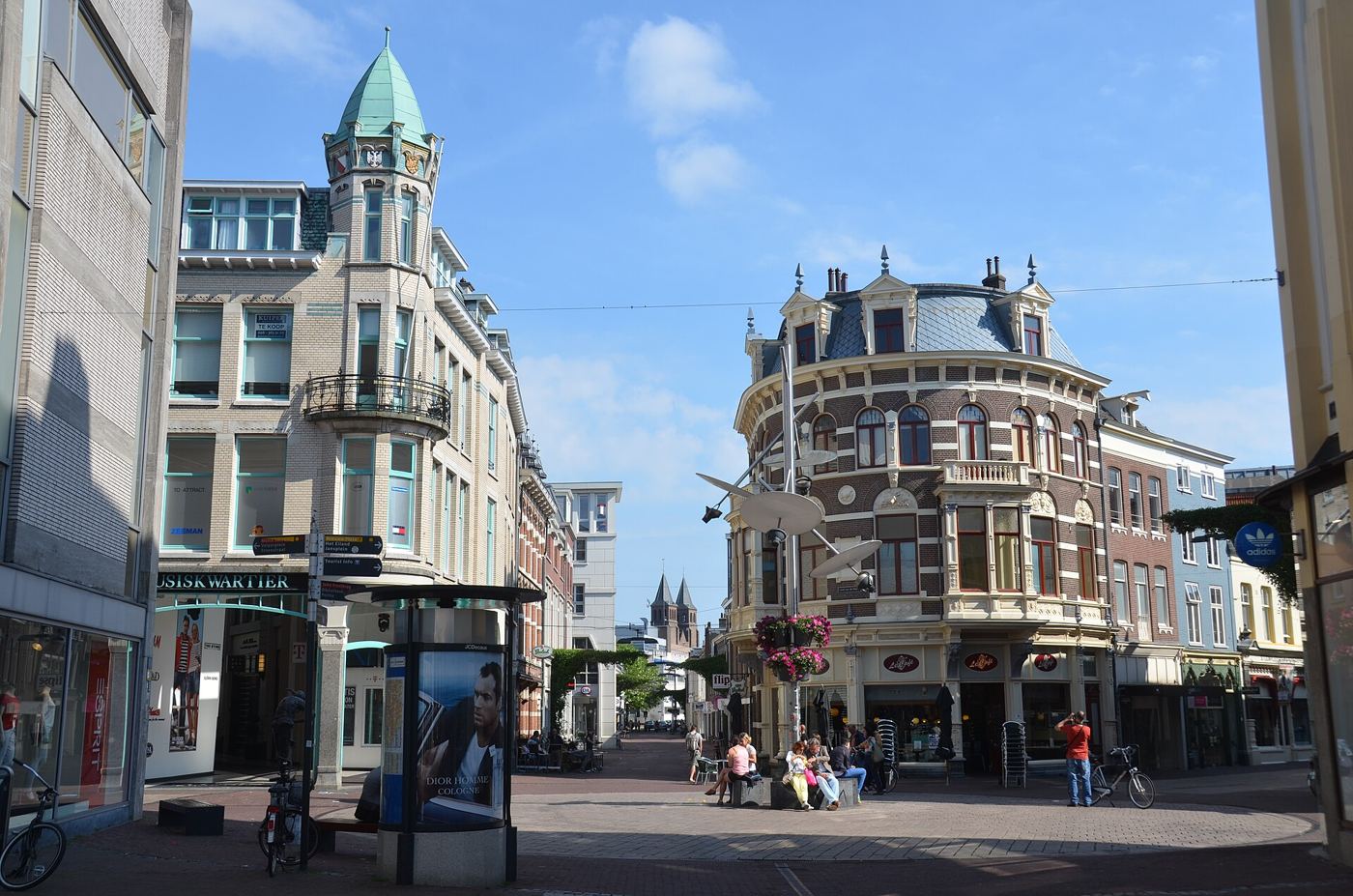
High street shops are coordinating later openings for festive shoppers, agreeing shared late nights so residents can rely on the whole street being open rather than gambling on individual stores. Retailers say the pattern of recent years, where one shop stays open and its neighbours close, helps nobody and leaves shoppers unsure whether a trip is worthwhile. The coordinated evenings will run on the same nights each week, with cafes, bookshops, gift stores and services all taking part and buses running later to match. Staffing is being planned carefully, with rotas shared fairly and smaller shops pooling promotional costs so the evenings feel like a street-wide event. Traders hope the atmosphere matters as much as the hours: lit windows, music, tastings and a reason to stroll rather than rush. Town centre groups are encouraging shoppers to start locally before travelling further afield, pointing out how much of every local purchase stays in the area. If the evenings trade well, retailers say later opening could return for other seasons, from summer sales to back-to-school weeks.
What the Evidence Shows
Organisers of coordinated late night shopping say the agreement only works if everyone keeps it, so the participating shops have published the dates together and promised no last-minute changes. Window displays are being planned as a street, with a simple trail for children that leads families past every participant. Cafes are offering smaller evening menus so staff can cope, and buses and car parks are publicising their late arrangements alongside the shops. Retailers are tracking footfall honestly and sharing the results, so even quieter shops can judge whether the hours are worth continuing. Security and lighting have been reviewed for the darker evenings, with marshals on the busiest nights. Independent shops say the scheme gives them something online sellers cannot copy: a sociable evening out that happens to include shopping. The street, they argue, is at its best when it behaves like one team. Shoppers have already begun planning their first late-night visits together. Reporting and analysis from sources such as BBC News track the same developments, and specialists following coordinated late night shopping say the direction is now consistent across independent lines of evidence.
The Wider Context
The wider context is a public conversation conducted at a speed institutions were not built for. Developments around coordinated late night shopping are announced, contested and revised within a single news cycle, and the officials involved have learned to publish evidence alongside claims so that scrutiny can actually occur. Trust, the polling suggests, follows that transparency more than it follows confidence.
What Happens Next
What happens next in the story of coordinated late night shopping will be decided in the places where it is being implemented, measured and argued about in public. The officials and organisations involved have committed to publishing progress data, and that commitment gives residents, businesses and journalists something firmer than promises to judge. The next milestones are dated, which means they can be checked. You can follow related developments in our coverage of news.
None of this will be settled by a single announcement, study or product launch. The pattern to watch is accumulation: independent confirmations, honest reporting of failures and steady improvement in the underlying numbers. Readers who follow those signals, rather than the loudest claim of the week, will understand this subject better than most of the commentary surrounding it suggests is possible.
